
I’ve always been drawn to films that don’t just tell a story, but quietly change something inside you. The kind that reach places you didn’t even know needed healing. Me Before You became that experience for me… though I didn’t realize it until the very end.
It left me with a question I couldn’t ignore: how can something as simple as a romantic drama change the way you feel about your own life?
Maybe it’s because this isn’t really a story about love, not in the way we used to watch. It doesn’t hand you easy answers or perfect moments, like happy endings or they live happily ever after.
Instead, it gently pulls you into something deeper, something heavier than the burden of love. It asks you to confront life itself, what it means to truly live. And somehow, without forcing anything, it stays with you. Long after the screen fades to black.
Let’s get into some snapshots first… and then I’ll share the thoughts I haven’t been able to shake since.
Me Before You – Snapshots
- Title: Me Before You
- Release Year: 2016.
- Based On: Novel Me Before You by Jojo Moyes
- Genre: Romantic Drama.
- Director: Thea Sharrock.
- Main Cast: Emilia Clarke & Sam Claflin.
- Runtime: 110 minutes (1h 50m).
- Language: English
- IMDb Rating: 7.4/10
- Rotten Tomatoes: ~54% (critics’ score)
- Box Office: $208.4 million worldwide
- Budget: ~$20M budget
Who are Lou and Will, and Why Do Both Feel Like You?
Louisa Clark is not your usual movie heroine. She is a quirky, warmhearted girl from a working-class English town. She wears colorful stockings and wide, hopeful eyes. She lives small, not because she is small, but because no one ever pushed her further.
Will Traynor is almost her opposite. He was a high-powered London banker. Adventurous, bold, sharp-tongued, alive. Two years before the film begins, a motorcycle accident left him quadriplegic. Now he sits inside a beautiful castle, surrounded by luxury, drowning in silence.
Will has already made his decision before Lou ever walks through his door. He plans to travel to Dignitas in Switzerland for assisted dying. His parents hire Lou, hoping she can change six months into a lifetime.
This is where the story begins. And where it quietly starts to break you.
You connect with Lou because she is you, unsure, underestimated, full of untapped love.
You connect with Will because his pain is unbearably real. His emotional suffering is not just about physical limitation. It is about losing control over his future.
Both characters carry a kind of longing that most films never dare to show.
Emilia Clarke and Sam Claflin’s Chemistry That Makes This Film Impossible to Forget
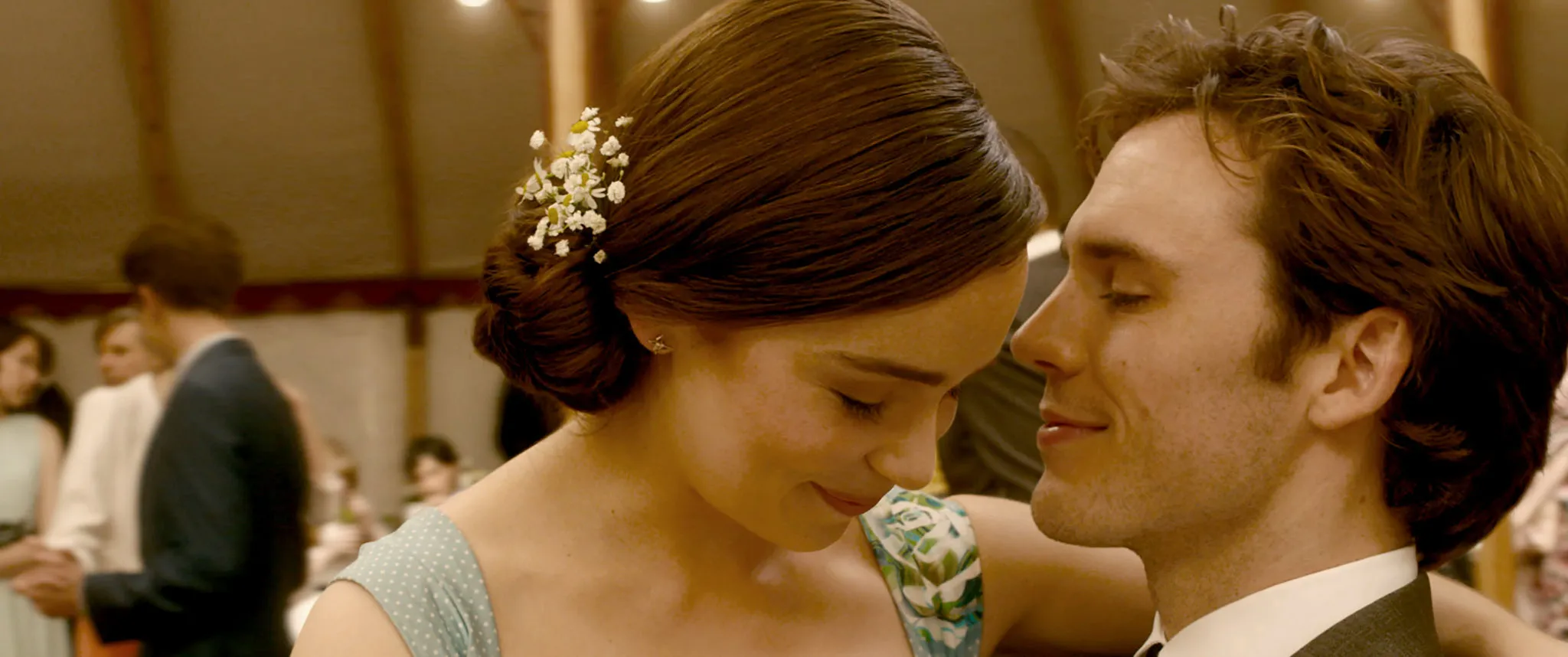
Emilia Clarke and Sam Claflin were both amazing in their respective roles. Clarke brought infectious warmth to every single frame. Claflin carried pain with a dignity that broke your heart slowly, not suddenly.
Their chemistry had eyes glued to the screen. It created a genuine emotional attachment to the characters. Their first scenes are awkward and sharp. Will is cold. Lou is relentless. Then something shifts, quietly, like light changing in a room.
The film earns its emotional payoff through small moments, not grand gestures. A shared glance at a horse race. A meal in the rain. An accidental laugh that neither of them expected.
As Will says:
Clerk, you are pretty much the Thing that makes me want to get up.
Without repetitive “I Love You” and intimate scenes, this is still deeply heart-touching. That restraint is what makes it hit harder than most romantic films.
The Ending That Splits Every Audience in Half
Let us be honest: the ending of Me Before You is not satisfying.
It is not meant to be.
Will made the decision to end his life because he felt his quality of life had diminished. He no longer found joy or fulfillment in living. Lou tried everything. Travel. Laughter. Connection. Love itself. She held out hope until the very end that Will would change his mind. He does not.
Some viewers walk away furious. Some walk away shattered. Some walk away changed in ways they cannot yet name.
At the end, Louisa sits at a café in Paris, reading Will’s last words. He tells her to “live well.” She is wearing her colors. She is still Lou. But different. Wider. Braver. Scarred in the places that shape you.
The film does not tell you Will was right. It does not tell you he was wrong. It shows that love is not about possessing or saving someone. It is about knowing, appreciating, and letting go when required. That truth is too mature for a fairytale. It is exactly right for this story.
Why This Film is More Than a Romantic Drama
Me Before You is classified as a romance. That classification is far too small.
- It is a film about autonomy — the right to own your own story.
- It is a film about invisible courage — Lou’s quiet transformation under pressure.
- It is a film about the stories we tell ourselves about what life is worth living.
The film explores independence, dignity, disability, and end-of-life decisions. It offers more than romance, but it is interwoven with heartbreak, humor, and hope.
Lou begins the film hiding in her small town. She ends it stepping into the world. Will begins the film by counting down. He ends it by giving everything away. Neither arc is comfortable. Both arcs are completely human.
The film’s score, featuring Ed Sheeran and Craig Armstrong, is extraordinary. The cinematography and emotional soundtrack perfectly match the heartfelt tone. Every musical swell earns the tear it pulls from you.
The Controversy: What the Film Gets Right and Wrong
No honest review of Me Before You can ignore the backlash. The film sparked criticism from disability rights advocates. They perceived an underlying message that disabled people are a burden, and that people are better off dead than disabled.
That criticism carries weight. It deserves to be heard.
The film feels somewhat manipulative in its emotional construction. No melancholy moment is left unaccompanied by music, and no delicate interaction is spared a close-up.
But here is the other truth: The film depicts Will’s life as worthwhile and precious. It is Will’s own judgment that his life cannot continue as it is. Jojo Moyes wrote one man’s impossible choice. Not a manifesto.
The debate the film sparked was not without value. It encourages further discussion about inclusion and representation in storytelling. A film that makes you argue is doing something right.
Before You Go: Is It Worth a Watch?
I said it going in: this film is beautiful but painful. Now I know that is the only honest way to describe love at its most honest.
Me Before You does not lie to you. It does not promise that love fixes everything. It promises that love changes everything, which is harder and truer.
Lou Clark is not saved by Will. She is opened by him. Will Traynor is not saved by Lou. He is witnessed by her. That witnessing is perhaps the most intimate act the film shows.
You will not forget this film. And somewhere in the days after, you might catch yourself living a little more boldly.
Will’s most powerful line is this: “You only get one life. It’s actually your duty to live it as fully as possible.”
That line belongs to the film. But the instruction belongs to you.
People Also Ask
No, Me Before You is not directly based on a true story. However, author Jojo Moyes drew inspiration from real cases of people choosing assisted dying. She was also influenced by her own family’s experience with long-term care.
Will’s love for Lou does not override his decision. He does not believe love alone can restore his lost identity. He was once adventurous, independent, and fully alive. He cannot accept the gap between that person and who he is now.
“Live boldly” is Will’s final instruction to Louisa Clerk, which appears in his letter and throughout the film as a quiet refrain. It means: do not settle for a small life out of fear. It is Will’s greatest gift to Lou and the push she needed to become the person she was always capable of being.
Yes, with preparation. The film is emotionally intense, and the ending does not offer comfort in the traditional sense.
The book develops Louisa’s backstory more deeply, including a traumatic event that explains her limited ambitions. The film simplifies her arc but strengthens the emotional chemistry between the leads. Both versions of this story are powerful, but the book stays with you slightly longer.